
Most people have no idea what to ask an electrician for. Start with what it is doing.
Each one is a page rather than a paragraph, because each one is a different conversation with a different worry underneath it.
Lighting installation
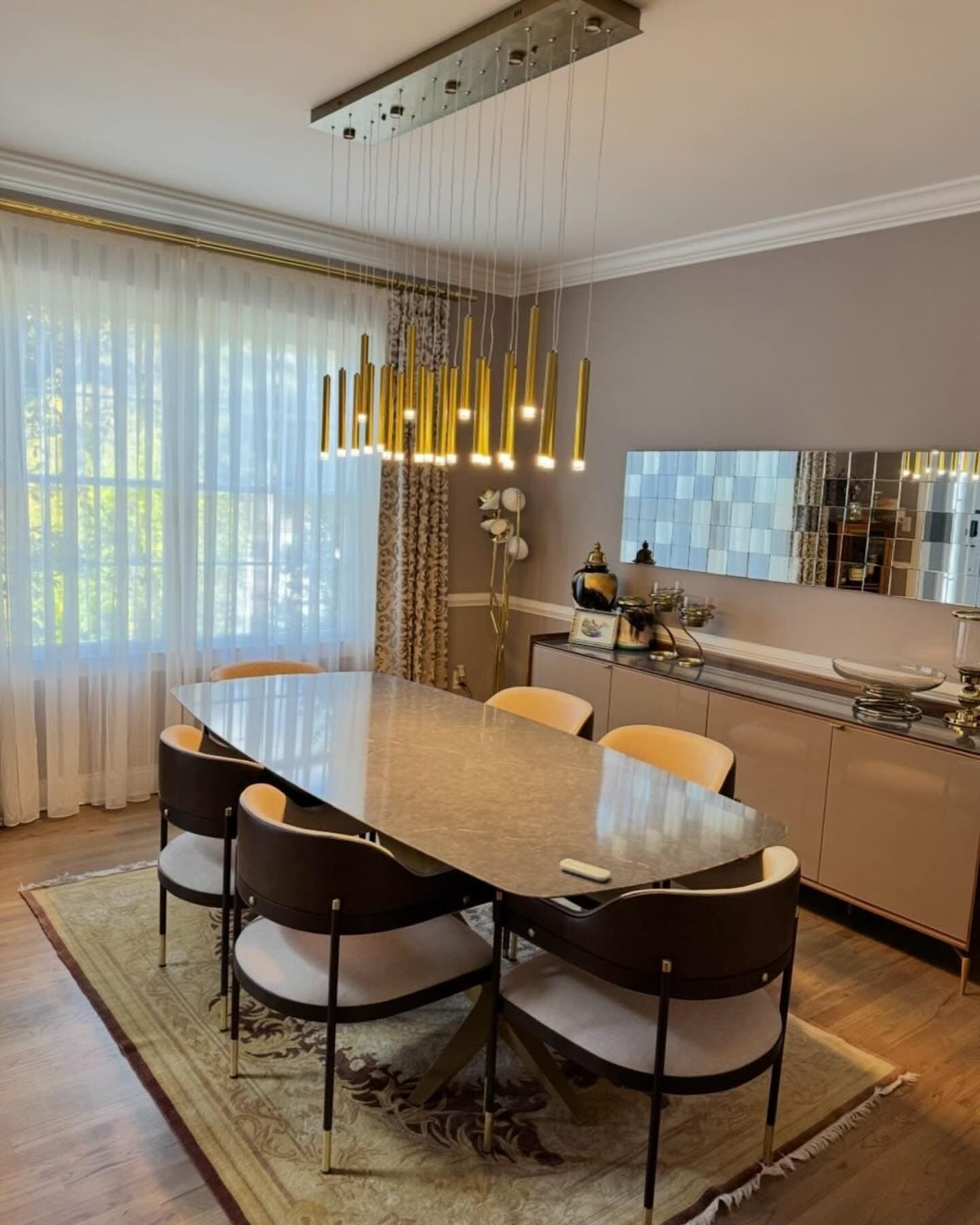
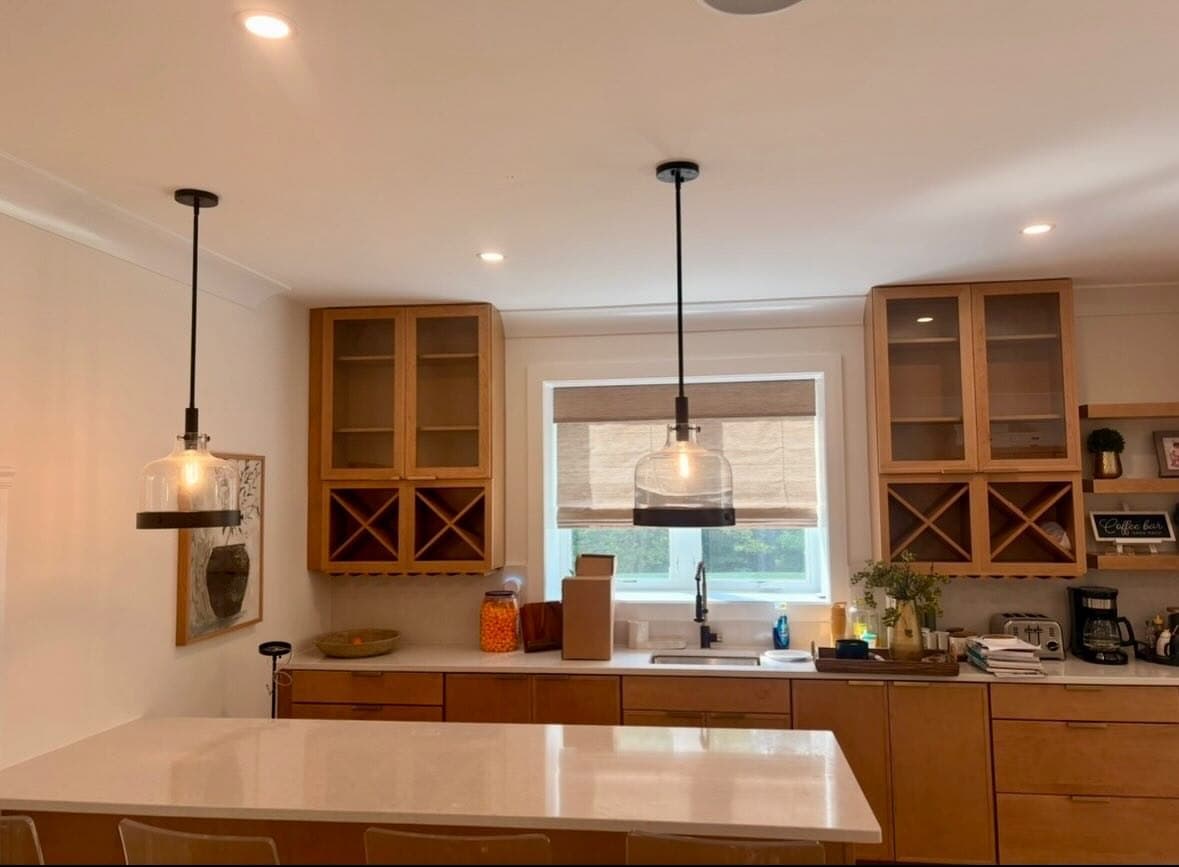
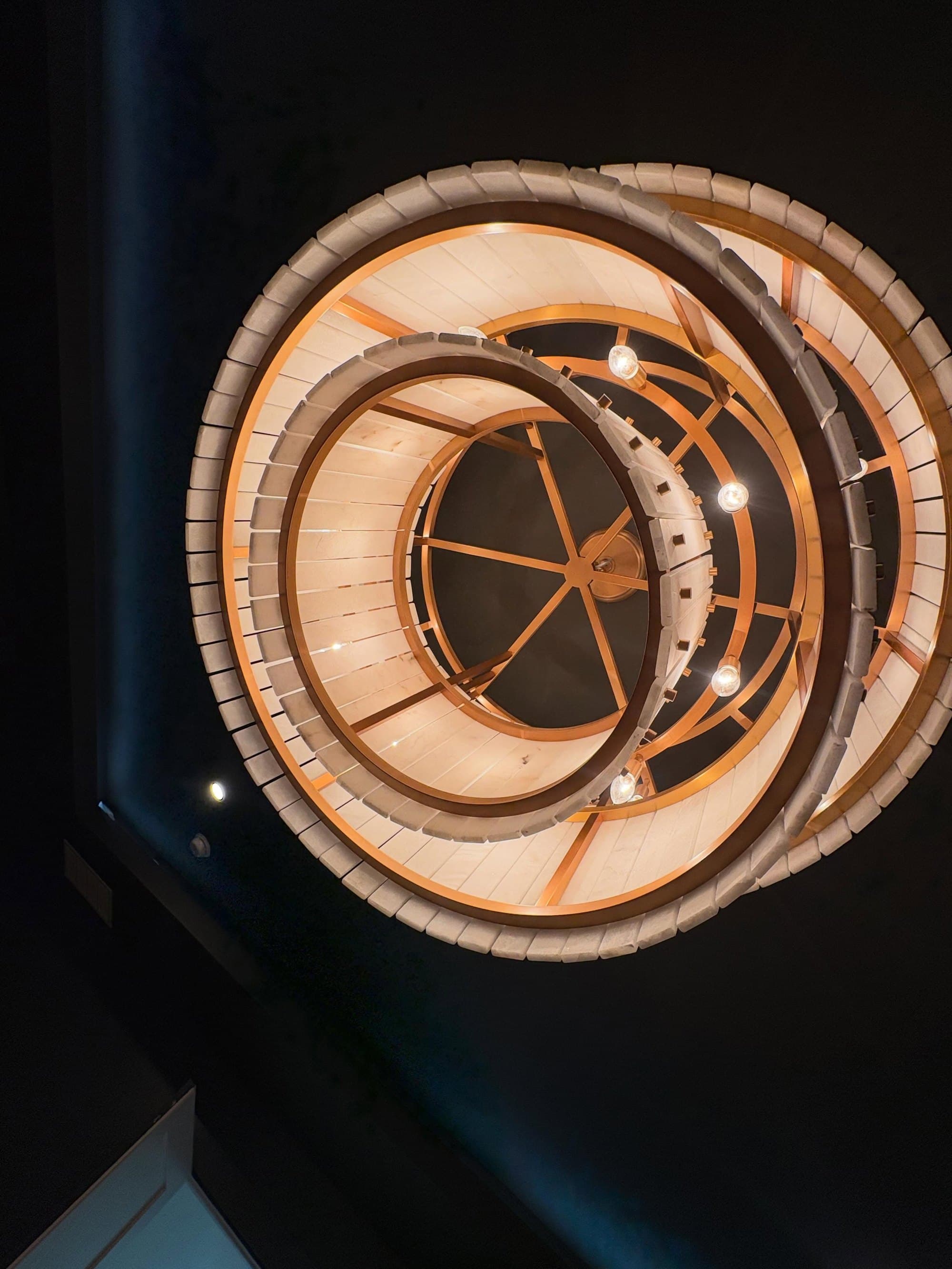
Copper Electric installs pendants, chandeliers, recessed, kitchen and outdoor lighting across Essex, Morris, Sussex, Bergen and Union counties, licensed, insured and bonded under NJ #19255, and his Instagram is mostly the lighting he has put up.
Panel upgrades
Copper Electric upgrades panels and adds circuits across Essex, Morris, Sussex, Bergen and Union counties, licensed, insured and bonded under NJ Electrical Contractor 34EI01925500.
EV charger installation
Copper Electric installs home EV chargers across Essex, Morris, Sussex, Bergen and Union counties, licensed, insured and bonded under NJ #19255, so the new circuit is permitted and inspected.
Also on the truck
His own posts show these jobs too, and they are a phone call to 973-900-3543 like everything above.
Troubleshooting and repairs
Dead outlets, tripping breakers and lights that flicker get traced to the cause and fixed, not just reset.
Outlets and switches
New outlets where you actually need them, GFCI where the code wants them, and switches and dimmers that work the way you expect.
Kitchen and bath electrical
Lighting, outlets and dedicated circuits for a kitchen or bathroom remodel, done to code and ready for the inspector.
The questions that do not fit on one page.
Real questions people ask before they hire an electrician, answered without a sales pitch.
Why does my bathroom GFCI outlet keep tripping?
Common causes are moisture in or behind the outlet, an appliance like a hair dryer with a fault in it, an old GFCI that has worn out and become oversensitive, or a fault somewhere else on the circuit it protects. If it keeps tripping with nothing plugged in, that is a call for an electrician to trace.
Source: garagejournal.comDo I need a permit to add outlets or a new circuit in New Jersey?
New wiring and new circuits generally fall under the state Uniform Construction Code and need an electrical permit and an inspection, while a straight swap of a device usually does not. A licensed electrical contractor files the permit with the town.
The state guidance (PDF)